
How Buying Artisan Home Goods Supports Craftsmanship
Table of Contents
- Why Artisan Home Goods Matter More Than Ever
- What Artisan-Made Really Means for Home Goods
- How to Support Local Artisans With Every Purchase
- How to Tell If Something Is Handmade
- Handmade Home Decor Ideas That Show Off Craftsmanship
- How to Care for Handwoven Baskets and Other Natural Materials
- Pricing, Value, and Building a Curated Home Over Time
- Frequently Asked Questions
Last Updated: October 17, 2026
Why Artisan Home Goods Matter More Than Ever
Every purchase of artisan home goods keeps a skill alive.
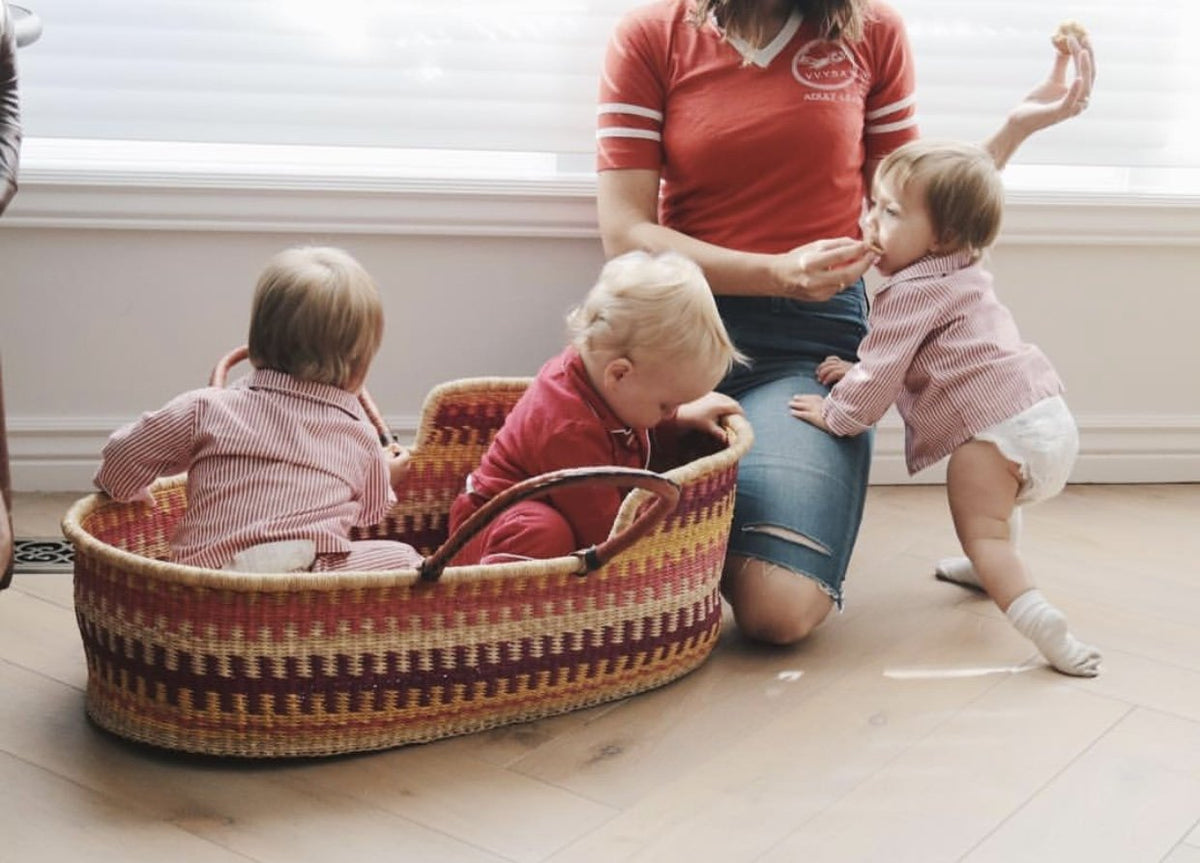
At Plum+Sparrow, we see this up close. Our signature Moses baskets are handwoven by skilled artisans in Ghana through our workshop and cooperative, Woven Roots.

That matters in a market flooded with look-alike products. Mass-produced décor fills shelves fast. Handcrafted pieces do something different.
The choice is simple once you see it. A cheap basket is a purchase. A handwoven one is a relationship with a maker.
What Artisan-Made Really Means for Home Goods
Artisan-made means a person, not a machine, shaped the item from start to finish. That covers the weaving, the finishing, and often the dyeing of details like leather handles.
For home goods, this changes what you get:
- Visible handwork you can trace, like uneven weave or a hand-dyed handle
- Natural materials such as elephant grass or palm leaves
- Small batches instead of endless identical units
- A real story about where and by whom it was made
A common mistake is assuming "handmade" and "artisan-made" mean the same thing. They overlap, but artisan-made usually points to a specific maker or workshop with a named craft tradition.
That distinction is the whole point. It tells you who benefits from your money.
How to Support Local Artisans With Every Purchase
Supporting makers takes more than a nice label. It takes a repeatable process. Most guides stop at "buy handmade." This one walks you through how to research a maker, verify the claims, and complete a purchase you can feel confident about.
Step 1: Identify the maker before you fall in love with the product
Start with the listing or product page and look for a named workshop, cooperative, or individual artisan. If the page only says "artisan-made" or "handcrafted by skilled artisans" with no name, treat that as a marketing claim, not evidence.

A useful test: can you describe who made the piece in one sentence? If the answer is "a workshop in another country," you do not have enough information yet.
Step 2: Ask the three questions that separate partnerships from labels
Send the seller a short message. Most independent makers and small brands answer directly, and the quality of the answer tells you a lot.
- Who made this, and where? Look for a workshop, cooperative, or region, not just a country.
- How is the maker paid? You are listening for a mechanism, per-piece payment, a cooperative dividend, a stated wage, not a vague promise about "fair wages."
- What happens after the order? Lead time, customization options, and return terms reveal whether the seller actually works with makers or just resells.
Step 3: Read the provenance signals on the page
Strong listings share a pattern. Look for:
- A maker or workshop name in the product description, not just the About page
- Material origin, such as elephant grass, palm leaves, or locally sourced leather
- Process detail, how long a piece takes, how the fiber is prepared, how handles are finished
- Batch language that acknowledges variation between pieces
Weak listings share the opposite pattern: stock photos, identical units, no maker name, and sustainability language with no specifics.
Step 4: Buy direct when the option exists
Direct partnerships cut out middlemen who shrink artisan pay. When a brand sells its own workshop output, you are closer to the maker and the price breakdown is easier to trust. When you buy through a marketplace, check whether the seller is the maker or a reseller, the answer changes who benefits.
Step 5: Choose fewer, better pieces
One well-made basket beats five flimsy ones. A curated home is built piece by piece, and each purchase should earn its place. That habit supports artisans more reliably than a single large haul, because it keeps demand steady for the makers behind the work.
The goal is a curated home, not a full one. Each piece should earn its place.
How to Tell If Something Is Handmade
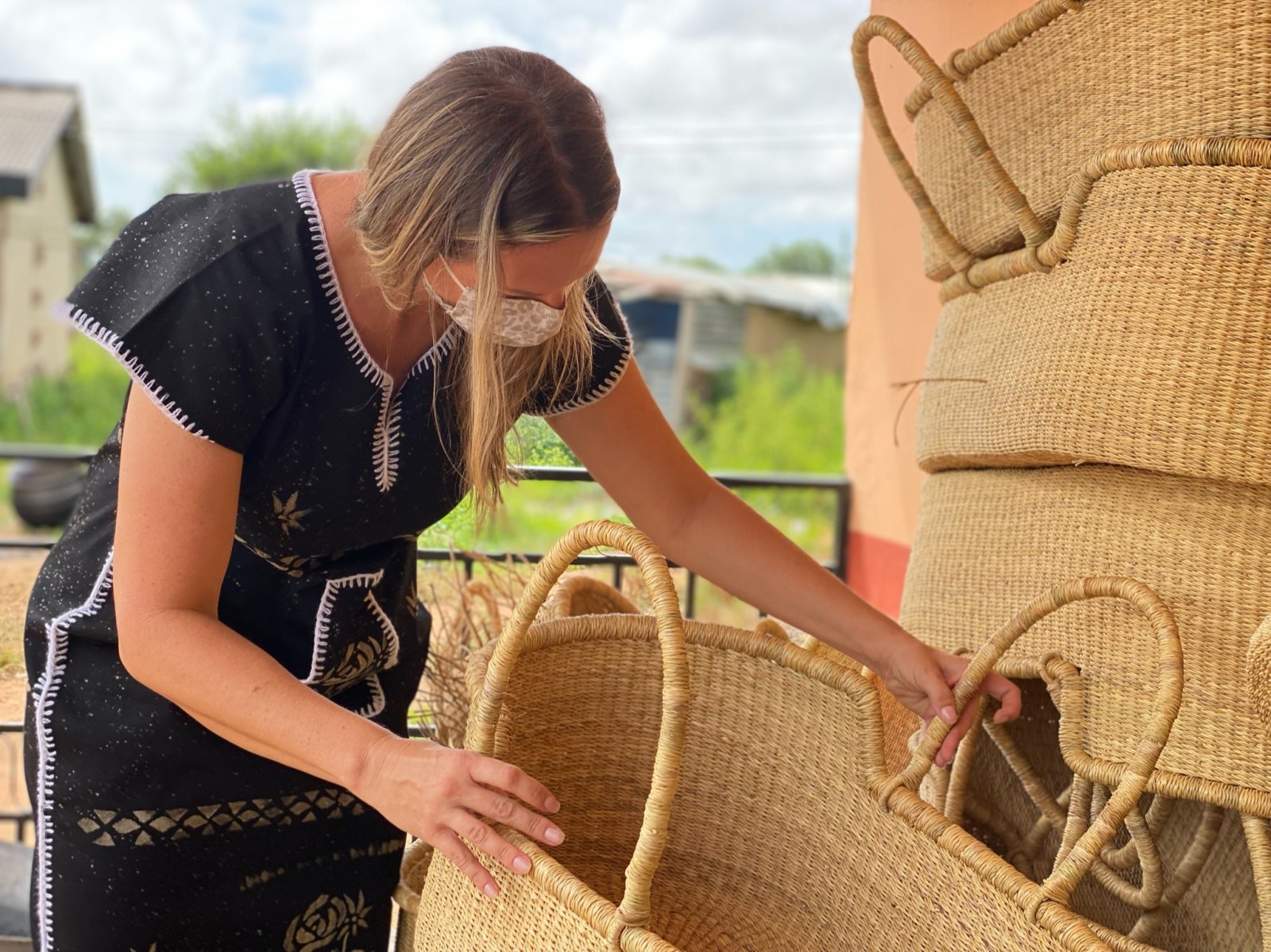
You can spot true handwork if you know what to look for. Handmade items carry small, honest imperfections that machines never produce.
Check these signs:
- Slight variation in weave tightness or spacing
- Natural color shifts in fibers or hand-dyed leather
- Asymmetry that looks intentional, not sloppy
- A maker or workshop name on the listing
What most guides miss is the flip side. A perfectly uniform surface often means a machine made it.
If a seller shows the same basket in dozens of identical photos, ask questions. Genuine handcrafted goods vary from piece to piece.
Handmade Home Decor Ideas That Show Off Craftsmanship
The best handmade home decor ideas put the maker's work where people can see it. You are not hiding the craft.
Cognac + Cream Handle - Medium Market Basket →
Try these:
- A woven market basket by the door for keys, mail, or market runs
- Wall hangings that add texture to a plain wall
- Natural-fiber centerpieces on a dining table
- Throws and rugs that soften a room with real fiber
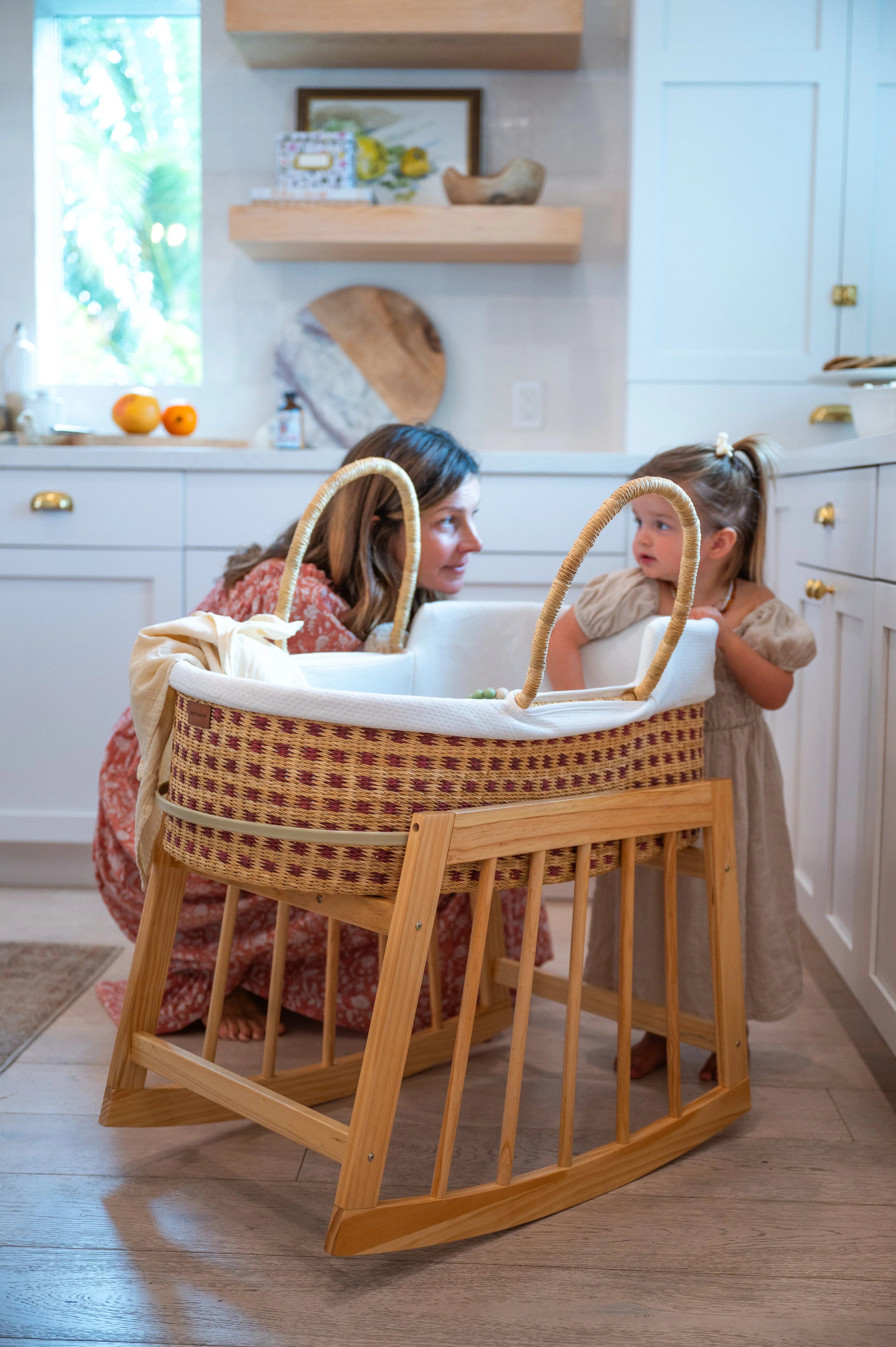
- A nursery basket that doubles as storage and a statement piece
Our Medium Market Basket, handwoven in Ghana with a hand-dyed leather handle, works as décor, storage, or an errand companion.
Mix textures, not trends. A room with a few honest, handcrafted objects feels warmer than one packed with mass-market filler.
How to Care for Handwoven Baskets and Other Natural Materials
Natural materials last for years if you treat them well. The key is moisture control and gentle handling.
Here is our simple routine for handwoven baskets:
- Keep them dry. Wipe with a soft, dry cloth. Avoid soaking.
- Reshape when needed. Gently press the weave back into shape after use.
- Store away from damp. Humid rooms can invite mildew over time.
- Dust regularly. A soft brush clears grit from the weave.
- Rotate heavy use. Give a basket a rest so the fibers keep their form.
Storing a natural-fiber basket in a damp basement or a steamy bathroom can invite mildew and weaken the weave. Keep it in a dry, airy spot instead.
Care is part of the value. A well-kept piece can pass to a sibling, a friend, or a future child. That is what durability really buys you.
Pricing, Value, and Building a Curated Home Over Time
Artisan prices reflect real labor, and that is fair. A handwoven piece takes hours of skilled work. You are paying for time, craft, and a tradition kept alive. But "it costs more because it is handmade" is not a budget plan. Here is how to think about price, value, and the practical terms that come with buying artisan goods.
What actually drives the price
Four factors explain the gap between a factory basket and a handwoven one:

- Labor hours. Handweaving, finishing, and dyeing are slow. A single market basket can represent hours of skilled work before it ships.
- Material cost and sourcing. Natural fibers such as elephant grass or palm leaves are harvested and prepared by hand, and leather handles are often hand-dyed in small batches.
- Batch size. Small batches mean no economies of scale. The maker cannot spread setup costs across thousands of identical units.
- Chain length. Direct-from-workshop pricing keeps more of the dollar with the maker. Each additional reseller layer takes a cut.
That is why a fair price is not a markup to resent. It is the cost of the craft plus a living for the person who made it.
A simple budgeting framework
Build your curated home in stages rather than all at once:
- Start with one anchor piece you truly love, and let it set the tone for the room.
- Set a per-piece ceiling before you shop, so a beautiful listing does not reset your budget mid-browse.
- Add slowly as your budget allows, ideally one meaningful piece per season.
- Prioritize function plus beauty in each buy, so the piece earns its space.
- Think in years, not seasons. A well-kept natural-fiber piece can outlast several mass-market replacements.
A useful rule of thumb: compare cost per year of expected use, not sticker price. A $68 basket used daily for a decade is a different purchase than a $20 basket replaced every two years.
Reading our prices as an example
Our market baskets range from a Small Market Basket at $48.00 to a Large Market Basket at $68.00. Each is handmade in Ghana and quality tested. That price buys handwork, not a factory stamp. The spread between sizes reflects material and labor, not a premium tier, larger pieces take more fiber and more weaving time.
Made-to-order, shipping, and returns: what to confirm before you buy
Artisan goods often come with terms that differ from mass retail. Confirm these before checkout:
- Lead time. Made-to-order and small-batch items may ship in weeks rather than days. Ask for a realistic window, not a best case.
- Shipping. Natural-fiber pieces are bulky and light, so dimensional weight can affect cost. Check whether shipping is included and how the item is packed.
- Returns. Handmade and custom items are frequently final sale or subject to restocking terms. Read the policy before you order, especially for personalized pieces.
- Customization. If you want a specific size, color, or handle, ask early. Custom orders usually extend lead time and may not be returnable.
Custom and made-to-order artisan pieces often carry different return terms than stock items. Confirm lead time, shipping cost, and return eligibility in writing before you pay.
Verify fair pay before you trust the price
A high price is not proof of fair pay. Look for sellers who name their cooperative and explain how artisans are paid. Transparency about the payment mechanism, per-piece pay, cooperative dividends, stated wages, is how you avoid greenwashing and support fair trade for real. If the seller cannot explain where the money goes, the premium is not yet justified.
The real difference between artisan and mass-produced goods comes down to who made it and how. Pay for the maker, confirm the terms, and you get a piece worth keeping.
Frequently Asked Questions
What does artisan-made mean for home goods?
Artisan-made means the item was made by an individual craftsperson or small workshop, usually by hand, rather than on a factory assembly line. For artisan home goods, that often means natural materials shaped with traditional techniques, like handwoven baskets made from elephant grass or palm leaves. The result is a piece with small variations in weave, color, and shape that mass-produced goods don't have. Artisan-made also typically signals a direct relationship between the maker and the seller, which matters for fair pay and provenance.
How can you tell if a home good is genuinely handmade?
Look for small irregularities: slight differences in weave tension, natural color variation, and tool marks. Ask who made it and where. Genuine sellers can usually name the workshop or region. Check the material description too. Handwoven baskets made from natural fibers like elephant grass or palm leaves have a texture and weight that molded plastic or machine-woven synthetic imitations don't replicate. A seller who can explain the technique and the maker is a stronger signal than a label that just says handmade.
Are handmade home goods more durable than mass-produced items?
Often yes, when the materials and construction are solid. Handwoven baskets made from natural fibers and finished with care can last years with proper care, and many are designed to be reshaped if they get compressed in transit. Mass-produced versions may use thinner materials or glued joints that fail faster. Durability still depends on how you treat the piece: keep natural fibers dry, avoid prolonged direct sun, and reshape woven baskets when needed. A well-made artisan piece is often repairable rather than disposable.
How do you care for handwoven home goods?
Keep handwoven baskets and other natural-fiber pieces dry. Dust with a soft brush or dry cloth rather than soaking them. If a basket loses its shape, you can reshape it by hand and let it dry in form, which is why many sellers include a reshaping guide. Avoid humid storage and direct sunlight for long periods. For leather handles, wipe with a dry cloth and keep away from water. With basic care, artisan home goods hold up well and age with character rather than falling apart.
The challenge is simple: most décor buys are forgettable. Building a home around real craftsmanship takes a little more thought, and it is worth it. At Plum+Sparrow, we handcraft heirloom-inspired pieces, including handwoven Moses baskets made with natural materials and a direct partnership with Ghanaian artisans. Each piece tells a story and supports the maker behind it. Get started with Plum+Sparrow and build a curated home that honors craftsmanship, one meaningful piece at a time.

Leave a comment
This site is protected by hCaptcha and the hCaptcha Privacy Policy and Terms of Service apply.